
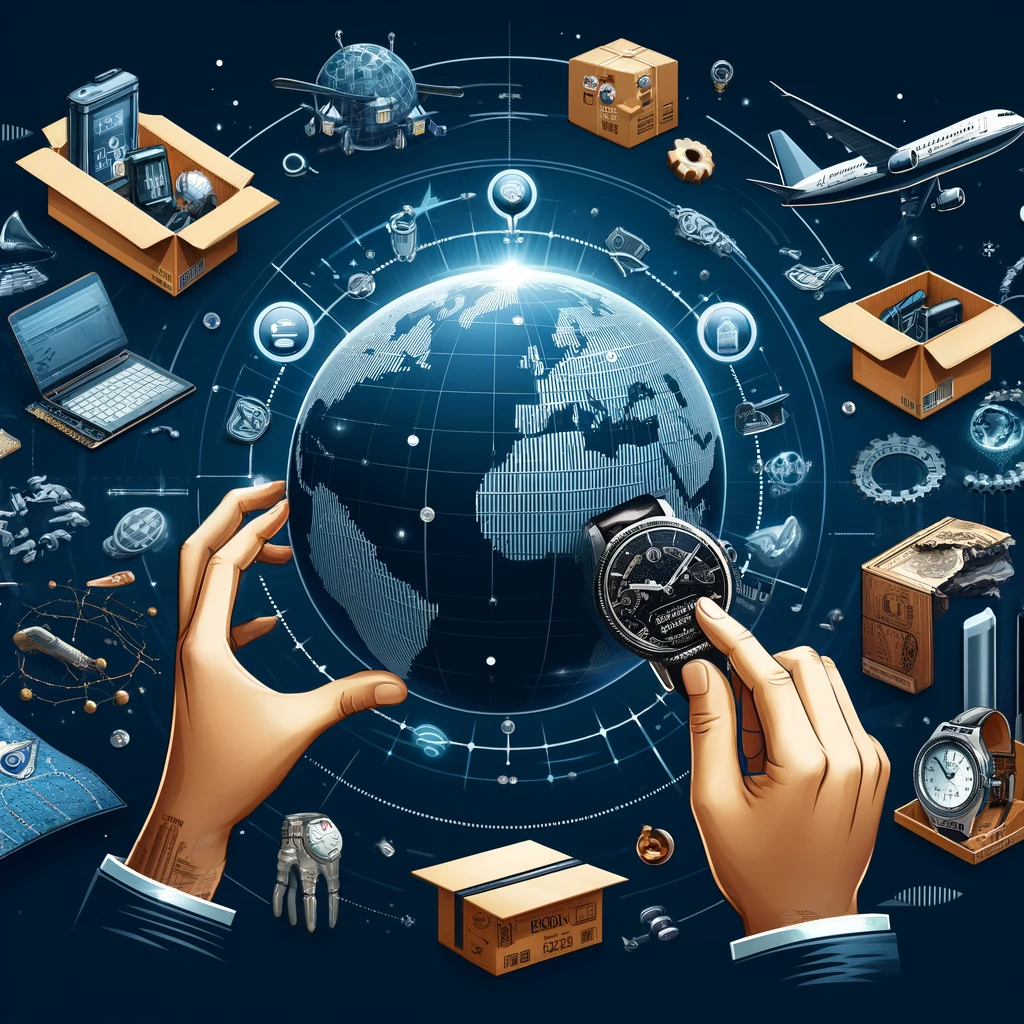
Introduction: Flipping the Script with Reverse Dropshipping
Think dropshipping, but flipped—this is reverse dropshipping. While traditional dropshipping involves selling low-cost products sourced from overseas suppliers to domestic markets, reverse dropshipping turns this model on its head. Here, businesses focus on selling high-quality, locally sourced products to international markets. This switch is shaking up the e-commerce world.
Why the shift? It’s all about tapping into the demand for premium products abroad. Reverse dropshipping caters to overseas consumers hungry for authenticity and quality that local goods can offer—think fine leather goods from Italy or premium cosmetics from the U.S. As businesses strive to stand out and manage logistics more efficiently, reverse dropshipping is emerging as a smart strategy to penetrate new markets and scale operations globally.
This model isn’t just a trend; it’s becoming a key tactic for e-commerce entities looking to offer more value and expand their reach. Let’s dive deeper into how reverse dropshipping is redefining the rules of international e-commerce and why it might be the next big thing for your business.
Table of Contents
Understanding Reverse Dropshipping
What is Reverse Dropshipping?
Reverse dropshipping flips the classic dropshipping model. Instead of sourcing cheaper products from international suppliers to sell locally, reverse dropshipping focuses on selling domestically sourced, high-quality products to international buyers. This approach leverages the appeal of local authenticity and quality, offering products that carry a premium tag due to their origin and craftsmanship.

How Does It Work?
In reverse dropshipping, you partner with local producers who create high-quality goods — from handcrafted furniture to organic skincare products. These items are then marketed to international customers who value quality and authenticity over price. The orders are shipped directly from your domestic suppliers to customers around the world, bypassing the need for you to hold any inventory.
Why Is It Gaining Traction?
- Quality and Authenticity: There’s a growing market segment that prioritizes product quality and authenticity. Consumers worldwide are willing to pay a premium for goods that are perceived as superior, especially those that come from countries known for their expertise in certain industries.
- Market Differentiation: Reverse dropshipping allows businesses to differentiate themselves in a crowded market. By offering unique products not available locally in foreign markets, companies can carve out a niche and avoid the fierce price competition typical in standard dropshipping.
- Brand Value: Selling premium products also helps in building a strong brand reputation internationally. Customers are not just buying a product; they’re buying an experience and a taste of another culture’s craftsmanship.
The appeal of reverse dropshipping lies in its ability to connect global consumers with local products that offer something special — quality and authenticity that mass-produced items can’t match. As e-commerce continues to evolve, this model offers an exciting opportunity for businesses looking to expand their reach and impact in international markets.
Benefits of Reverse Dropshipping
Higher Profit Margins
One of the most compelling advantages of reverse dropshipping is the potential for higher profit margins. Because the products are premium and often unique, they can command higher prices in the international market. Consumers are willing to pay more for goods that are perceived as high-quality, authentic, and difficult to find elsewhere. This premium pricing strategy not only boosts your profit margins but also aligns with consumers’ increasing willingness to invest in quality over quantity.

Building Brand Value and Trust
Dealing in high-quality products inherently elevates your brand. When customers recognize that they consistently receive superior products from a particular source, trust and brand loyalty grow. This reputation for quality can set your business apart in the competitive e-commerce landscape, making your brand synonymous with excellence and reliability. In the long run, this brand equity translates into repeat customers, referrals, and a stronger market position.
Logistic Advantages
Being geographically closer to your suppliers offers significant logistical benefits that can enhance the overall efficiency of your business operations. Here are a few key advantages:
- Improved Quality Control: Proximity to your suppliers makes it easier to maintain high quality standards. You can more readily visit facilities, conduct inspections, and directly address any quality issues that arise, ensuring that only the best products reach your customers.
- Faster Fulfillment Times: Shorter shipping distances within the same country can significantly reduce delivery times. Faster fulfillment not only improves customer satisfaction but also enhances your competitive edge in the market.
- More Responsive Supply Chain: Being closer to your suppliers means communication can be more frequent and effective. This proximity allows for quicker responses to stock issues, changes in demand, or any supply chain disruptions, providing a more adaptable and resilient business model.
Cultural Export Potential
Reverse dropshipping also allows you to showcase and export your country’s culture, which can be an appealing factor in marketing strategies. Products that embody cultural significance or craftsmanship can tap into markets looking for authenticity and a story behind their purchases.
In summary, reverse dropshipping not only offers financial benefits but also contributes significantly to brand development and operational efficiency. This model can help businesses not only survive but thrive in the competitive world of e-commerce by leveraging their local resources and craftsmanship on a global stage.
Challenges and Considerations of Reverse Dropshipping
While reverse dropshipping offers numerous advantages, it also comes with its set of challenges that businesses must navigate to ensure success. Understanding these obstacles is crucial for any entrepreneur looking to venture into this e-commerce model.

Understanding International Markets
- Compliance with Local Regulations: Each country has its own set of import regulations, business laws, and compliance requirements. Businesses must be diligent in understanding and adhering to these regulations to avoid legal issues, which can vary widely from one region to another.
- Cultural Preferences: Products that sell well in one country may not necessarily resonate in another due to cultural differences. A deep understanding of local cultures, preferences, and buying behaviors is essential to tailor your product offerings effectively.
Logistical Complexities
- Customs and Duties: Navigating the complexities of customs clearance and duty calculations is a significant challenge. These factors can affect the overall cost of the product and the delivery times, which in turn can influence customer satisfaction.
- Longer Shipping Times: Shipping products internationally generally takes longer than domestic shipments. Delays can occur due to various reasons including customs clearance and logistical hold-ups, which can lead to customer dissatisfaction.
- Higher Shipping Costs: Transporting goods across borders is typically more expensive than local shipping. These costs can add up, affecting your pricing strategy and potentially reducing your competitive edge in foreign markets.
Market Research and Partnerships
- Thorough Market Research: Effective market research is crucial to understand which products are in demand in specific international markets. This research should also extend to competitive analysis and customer expectations.
- Building Strong Partnerships: Establishing reliable partnerships with local entities such as marketing agencies, fulfillment centers, and legal advisors can be critical. These partners can provide valuable insights into the local market and help navigate the challenges more effectively.
Currency Fluctuations and Financial Risk
- Exchange Rates: Dealing with multiple currencies can expose your business to financial risk due to fluctuating exchange rates. These fluctuations can affect your pricing and profitability.
- Payment Gateways: Ensuring that your e-commerce platform can handle transactions in different currencies and that you’re using trusted international payment gateways is essential to facilitate smooth financial operations.
Adapting Marketing Strategies
- Localized Marketing: Marketing strategies that work in your domestic market may not be effective abroad. It’s important to adapt your marketing efforts to align with local languages, cultural nuances, and media consumption habits.
Legal Implications
- Intellectual Property Rights: Understanding and respecting intellectual property laws in each target market is crucial to avoid legal challenges that could jeopardize your business.
In conclusion, while reverse dropshipping is a promising model for expanding into international markets, it requires meticulous planning and execution. Addressing these challenges with a well-thought-out strategy and reliable local partners will be key to successfully navigating the complexities of global e-commerce.
Implementing Reverse Dropshipping: A Step-by-Step Guide
E-Commerce: The Online Marketplace
Starting a reverse dropshipping business can open up lucrative international markets. Here’s a detailed guide on how to set up your reverse dropshipping operation, from product sourcing to managing customer relations across the globe.
Step 1: Market Research
- Identify Your Market: Begin by identifying which international markets are most likely to be interested in your products. Consider factors such as market size, purchasing power, and compatibility with your product.
- Understand Local Regulations: Research local laws and regulations related to e-commerce, including taxes, import duties, and restrictions in your target markets.
Step 2: Sourcing Products
- Select Quality Products: Choose high-quality products that are representative of your local market’s strengths. Products that are unique to your region or are considered premium are ideal.
- Find Reliable Suppliers: Partner with reputable suppliers who can consistently provide high-quality products. Ensure they are capable of scaling up to meet potential increases in demand.
Step 3: Setting Up Your Platform
- Choose the Right E-commerce Platform: Select platforms that support international e-commerce and are popular in your target markets. Platforms like Shopify, WooCommerce, or Magento can be good choices due to their flexibility and wide range of features.
- Customization for Local Markets: Customize your platform to suit local tastes and languages. This might involve adding multiple currency options, translation capabilities, and local payment methods.
Step 4: Logistics and Shipping
- Decide on a Shipping Strategy: Establish clear shipping policies that include delivery times, shipping costs, and returns policies. Consider using international courier services that can provide reliable shipping and tracking.
- Set Up Warehousing Solutions: If scaling large, consider using warehousing solutions in your target market to reduce shipping times and costs.
Step 5: Marketing and Customer Engagement
- Localize Your Marketing Efforts: Develop marketing strategies tailored to each target market. Use local social media platforms, influencers, and traditional media to reach your audience.
- SEO and Content Marketing: Optimize your online content for international search engines to improve visibility. Create valuable content that resonates with the local culture and preferences.
Step 6: Customer Service
- Adapt to Time Zones: Set up customer service solutions that can handle inquiries from different time zones. Consider outsourcing or setting up shifts to provide 24/7 support.
- Cultural Sensitivity: Train your customer service team to be sensitive to cultural differences and capable of handling international customers effectively.
Step 7: Monitoring and Optimization
- Analyze Performance: Regularly analyze the performance of your reverse dropshipping business. Monitor sales data, customer feedback, and logistics performance.
- Iterate and Improve: Use the insights gained from data analysis to refine your product offerings, marketing strategies, and customer service practices. Continuous improvement will help you stay competitive and grow your business.
Tips for Marketing to International Customers:
- Cultural Adaptation: Tailor your ads and promotions to match local cultural norms and values.
- Engagement Strategies: Engage with customers through local events, online communities, and by supporting local causes.
- Influencer Partnerships: Collaborate with local influencers who can authentically endorse your products.
By following these steps and continuously adapting to the needs of your target markets, you can establish a successful reverse dropshipping business that capitalizes on the global demand for quality products.
Case Studies: Success Stories in Reverse Dropshipping
Exploring real-life examples can provide valuable insights into the practical application and success of reverse dropshipping. Below are two case studies of businesses that have effectively utilized this model to expand their reach and profitability in international markets.

Case Study 1: Luxe Decor Inc.
- Background: Luxe Decor Inc., based in Italy, specializes in high-end, handmade furniture known for its quality craftsmanship. Despite a strong domestic presence, Luxe Decor sought to tap into the luxury markets in the Middle East and North America.
- Strategy: The company partnered with local artisans to ensure a supply of unique pieces and used a popular e-commerce platform tailored for luxury goods to reach affluent buyers. They focused on digital marketing with an emphasis on the unique story of Italian craftsmanship.
- Implementation: Luxe Decor set up multilingual customer service with representatives fluent in Arabic and English, ensuring that communication barriers were minimized. They offered detailed product histories and used augmented reality on their platform to let customers visualize the furniture in their homes.
- Outcome: The strategy led to a 150% increase in sales within the first year. The brand successfully positioned itself as a premium provider of authentic Italian furniture in international markets, significantly boosting brand prestige and customer loyalty.
Case Study 2: Purely SkinDeep
- Background: Purely SkinDeep is a Canadian company that produces organic skincare products. The company aimed to break into the European market, where there is high demand for natural and organic beauty products.
- Strategy: Recognizing the stringent EU regulations for skincare products, Purely SkinDeep ensured all products met these standards before launching. They adopted a local marketing approach, utilizing European beauty influencers and green beauty forums to raise awareness.
- Implementation: The company set up a distribution center in Germany to handle all European orders, ensuring faster delivery times. They also provided extensive product information and transparency regarding ingredients and benefits, aligning with the European customers’ preference for product safety and ethical sourcing.
- Outcome: Purely SkinDeep saw an 80% increase in European sales within the first six months. Their commitment to meeting local standards and using targeted marketing strategies helped establish a strong foothold in the competitive European organic beauty market.
Learning from Success
These case studies illustrate how understanding local market dynamics, regulatory environments, and cultural nuances are crucial in reverse dropshipping. Both Luxe Decor Inc. and Purely SkinDeep used strategic market entry tactics, local partnerships, and advanced digital tools to effectively communicate their brand’s value proposition. Their success underscores the importance of a well-researched, customer-centric approach in leveraging reverse dropshipping to achieve international business expansion.
Conclusion: Unlocking Global Potential with Reverse Dropshipping
Reverse dropshipping offers a transformative approach to e-commerce, enabling businesses to access international markets with high-quality, locally-sourced products. This model not only promises higher profit margins but also helps in building a distinguished global brand presence.
For businesses ready to navigate the complexities of international sales, including logistics and market preferences, reverse dropshipping presents a lucrative opportunity. It’s crucial for companies to evaluate whether this innovative strategy aligns with their operational capabilities and long-term objectives.
Considering the global demand for authentic products, reverse dropshipping could be your strategy for expansive growth and international success. Assess its fit with your business goals to potentially open up a new frontier in your e-commerce journey.
Related Content:
How to Create Multiple Streams of Income in Your 20s
Amazon FBA vs Dropshipping: Which E-commerce Model Suits You Best?
Commonly Asked Questions
Reverse dropshipping is an e-commerce model where businesses source high-quality, often premium products domestically and sell them to overseas markets, in contrast to traditional dropshipping, which typically involves selling lower-cost products from overseas suppliers to domestic consumers. This model capitalizes on the demand for authentic, high-quality goods in foreign markets, allowing sellers to leverage their local products’ perceived value and uniqueness.
Example of Reverse Dropshipping: A U.S.-based company specializing in handmade leather goods partners with local artisans to source their products. They market these high-quality, American-made products to customers in Europe and Asia, where there is a high demand for authentic American craftsmanship. Orders are placed on the company’s website and shipped directly from the U.S. to international customers, offering them a piece of luxury and exclusivity from American culture.
The opposite of dropshipping is traditional retail or direct fulfillment, where a business maintains its own inventory and handles all aspects of storage, fulfillment, and shipping to the customer. In this model, the seller is responsible for the entire supply chain management, from stocking products to shipping them out to customers. This contrasts with dropshipping, where the seller does not keep goods in stock but instead transfers customer orders and shipment details to either the manufacturer or a wholesaler, who then ships the goods directly to the customer.



Leave a Reply