
Introduction
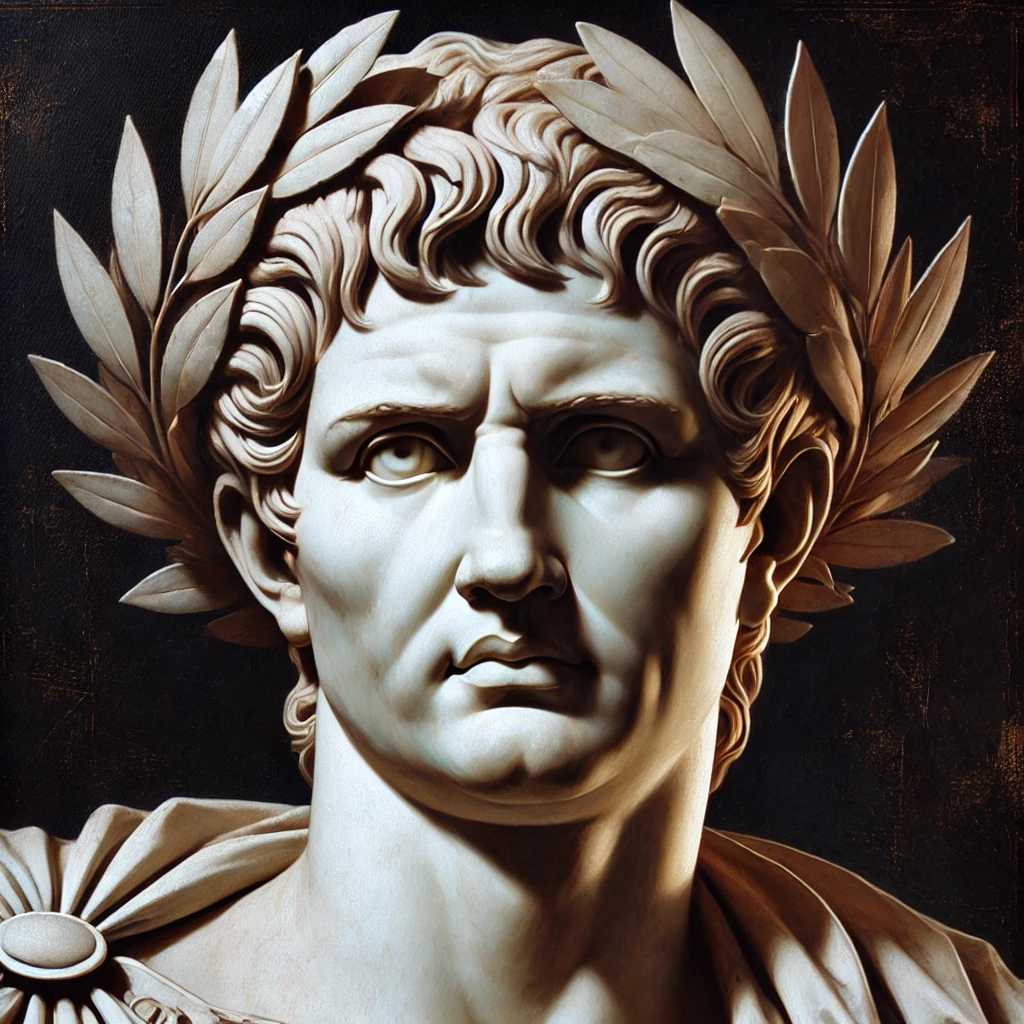
Julius Caesar. The name alone echoes power. He wasn’t just any leader. He changed Rome forever. His story is full of ambition, battles, and political savvy.
Caesar rose from a noble family, but his ambition was unmatched. He became a military genius, a shrewd politician, and eventually, the dictator of Rome. His achievements? Legendary. He expanded the Roman Empire, reformed its government, and left a mark that still influences us today.
Ready to dive into the life of one of history’s greatest figures? Let’s explore the man who reshaped the ancient world and set the stage for the Roman Empire.
Table of Contents
Early Life and Rise to Power
Humble Beginnings: Julius Caesar was born in 100 BC into a patrician family. They were noble but not particularly powerful. His father died when he was 16, leaving him as the head of the family. Caesar had to grow up fast.

Education and Ambition:
Young Caesar was smart and ambitious. He studied rhetoric and philosophy. His education and charm helped him make connections. He knew that to rise in Rome, you needed friends in high places.
Early Military Career:
Caesar started his military career in Asia Minor. He showed bravery and skill, earning respect and promotions. His time in the army taught him valuable lessons in leadership and strategy.
Political Maneuvering:
Back in Rome, Caesar used his charisma to climb the political ladder. He became a supporter of the populares, a political faction that championed the common people. His marriage to Cornelia, the daughter of a powerful ally, bolstered his position.
First Triumphs:
Caesar’s political career took off when he was elected as a military tribune. Later, he became a quaestor, a public official, and served in Spain. His success there earned him a triumph, a celebratory parade in Rome. People started to take notice.
Forming Alliances:
Caesar was a master of alliances. He formed the First Triumvirate with Pompey and Crassus, two of Rome’s most powerful men. This unofficial coalition helped him gain more power and influence.
Consulship and Command:
In 59 BC, Caesar was elected consul, one of the highest offices in Rome. He used his position to push through key reforms and secure a governorship in Gaul. This move was strategic. It gave him control of an army and a chance to expand Rome’s territory.
Caesar’s early life and rise to power set the stage for his later achievements. From a young man in a noble but struggling family to a powerful political and military leader, Caesar’s journey was just beginning. Next, we’ll dive into his conquests and military genius that would make him a legend.
Conquests and Military Genius of Caesar

The Gallic Wars: Expanding Rome’s Territory
Campaign in Gaul: From 58 BC to 50 BC, Caesar led his legions in the Gallic Wars. He fought fierce tribes and expanded Rome’s territory all the way to the Atlantic Ocean. His military brilliance shone through. He used innovative tactics and strategies that are still studied today.
Commentaries on the Gallic War: Caesar wrote about his campaigns in his book, “Commentaries on the Gallic War.” This wasn’t just propaganda; it was a masterclass in military strategy. His writing showcased his skills and kept him in the public eye back in Rome.
Crossing the Rubicon: Defying the Senate
The Bold Move: In 49 BC, Caesar made a fateful decision. He crossed the Rubicon River with his army, a direct challenge to the Roman Senate. This act of defiance sparked a civil war. His famous words, “The die is cast,” marked the point of no return.
Civil War and Victory: Caesar’s forces clashed with those of Pompey, his former ally. He won decisive battles, including the Battle of Pharsalus. Pompey fled to Egypt, where he was assassinated. With Pompey out of the picture, Caesar marched on Rome.
Rise to Dictatorship: Centralizing Power
Dictator for Life: After his victories, Caesar became the undisputed ruler of Rome. He was named “dictator for life” in 44 BC. This move consolidated his power but also made him many enemies.
Reforming Rome: Caesar used his power to implement key reforms. He reorganized the calendar, creating the Julian calendar we use today. He also restructured the debt laws, expanded the Senate, and initiated public works projects. These changes aimed to strengthen Rome and improve the lives of its citizens.
Caesar’s conquests and military genius were unparalleled. He expanded Rome’s territory, defied the Senate, and centralized power. His actions set the stage for the transformation of the Roman Republic into the Roman Empire. Next, we’ll explore the reforms and governance that defined his rule.
Reforms and Governance
Major Reforms: Reshaping Rome
Julian Calendar: One of Caesar’s lasting legacies is the Julian calendar. Before Caesar, the Roman calendar was a mess. He reformed it to have 365 days, with a leap year every four years. This calendar was used for over 1,600 years and is the basis for the one we use today.
Debt Reforms: Caesar saw the burden of debt crushing many Romans. He enacted laws that reduced interest rates and limited the amount of debt people could accumulate. These reforms helped ease the economic strain on many citizens.
Land Reforms: Caesar initiated land reforms to redistribute land to veterans and the poor. He gave public lands to soldiers who had served Rome. This move was both practical and popular, securing loyalty and addressing social issues.
Public Works: He launched numerous public works projects. Roads, bridges, and public buildings were constructed. These projects created jobs and improved infrastructure, enhancing Rome’s urban landscape and functionality.
Senate Expansion: Caesar expanded the Senate from 600 to 900 members. This move gave more people a voice but also diluted the power of the old aristocracy. He appointed many loyal supporters, ensuring his control over the Senate.

Centralizing Power: Dictator for Life
Absolute Authority: Caesar’s appointment as “dictator for life” centralized his power. He had ultimate control over Rome’s political and military decisions. This move ended the traditional checks and balances of the Republic.
Military Control: He maintained a strong grip on the military. His soldiers were fiercely loyal, having benefited directly from his reforms. This loyalty was crucial in maintaining his power and quelling any opposition.
Economic Control: Caesar reformed the tax system, making it more efficient and less prone to corruption. He appointed new administrators to oversee tax collection, increasing Rome’s revenues and reducing abuses.
Impact on Rome: Caesar’s centralization of power marked the end of the Roman Republic and set the stage for the Roman Empire. His reforms strengthened Rome internally and expanded its influence externally. However, his concentration of power also created enemies among those who feared the end of the Republic’s democratic traditions.
Caesar’s reforms and governance reshaped Rome. He improved the economy, expanded public works, and centralized power. His rule transformed Rome, laying the groundwork for the Empire that would follow. Next, we’ll delve into the events leading to his assassination and the legacy he left behind.
Assassination and Legacy
The Ides of March: The Assassination of Caesar
Growing Opposition: Despite his achievements, many feared Caesar’s power. Senators, once powerful, felt sidelined. Rumors spread that Caesar wanted to be king, a title Romans despised.
The Conspiracy: A group of senators, led by Brutus and Cassius, plotted to kill Caesar. They believed his death would save the Republic. Ironically, Brutus was once a close ally of Caesar.
The Assassination: On March 15, 44 BC—known as the Ides of March—Caesar was attacked in the Senate. He was stabbed 23 times. His last words, “Et tu, Brute?” (“And you, Brutus?”), expressed his shock at Brutus’ betrayal.

Immediate Impact: Chaos and Civil War
Public Outcry: Caesar’s assassination shocked Rome. Many saw him as a hero who improved their lives. His death created immediate chaos.
Power Struggle: The conspirators underestimated Caesar’s supporters. Mark Antony, Caesar’s right-hand man, and Octavian, his adopted heir, rallied Caesar’s loyalists. Civil war erupted, tearing Rome apart.
End of the Republic: The civil war ended with Octavian’s victory at the Battle of Actium in 31 BC. He became Augustus, the first Roman Emperor. Caesar’s death marked the end of the Roman Republic and the rise of the Roman Empire.
Long-Term Legacy: Enduring Influence
Reforms and Governance: Caesar’s reforms outlived him. The Julian calendar remained in use for centuries. His economic and social policies influenced Roman governance.
Cultural Impact: Caesar’s life and death inspired countless works of art, literature, and drama. Shakespeare’s play “Julius Caesar” is a classic, exploring themes of power, betrayal, and ambition.
Historical Influence: Many leaders admired Caesar’s blend of military genius and political acumen. Napoleon Bonaparte, for example, saw him as a role model.
Enduring Symbol: Today, Julius Caesar remains a symbol of ambition and power. His name is synonymous with leadership. “Caesar” became a title used by Roman and later Byzantine and Russian rulers (“Tsar” is derived from “Caesar”).
Julius Caesar’s assassination was a turning point in history. His death led to the fall of the Roman Republic and the rise of the Empire. His legacy endures, influencing politics, culture, and leadership throughout history.
Conclusion
Julius Caesar. His life was a whirlwind of ambition, military genius, and political skill. Born into a patrician family, he rose through the ranks with determination. His military campaigns, especially the conquest of Gaul, showcased his strategic brilliance. Crossing the Rubicon marked his defiance and set Rome on a new path. As dictator for life, he implemented reforms that reshaped Rome’s economy, calendar, and governance.
Reflecting on His Legacy
Caesar’s impact was immense. His assassination on the Ides of March ended the Roman Republic but paved the way for the Roman Empire. His reforms had lasting effects, and his name became synonymous with power.
Relevance Today
Today, Caesar’s story remains a powerful lesson. His blend of leadership, ambition, and strategy is studied and admired. His life teaches us about the complexities of power, the dangers of unchecked ambition, and the impact one person can have on history.
Julius Caesar’s legacy endures. From historical studies to popular culture, his influence is everywhere. He was more than a ruler; he was a game-changer. His story continues to captivate and inspire.
Commonly Asked Questions
After the assassination of Julius Caesar, Brutus faced immediate consequences. Initially, he and the other conspirators fled Rome as public opinion turned against them. They regrouped and gathered forces in Greece. In 42 BC, Brutus and his co-conspirator Cassius faced the armies of Mark Antony and Octavian (the future Augustus) at the Battle of Philippi. The battle ended in defeat for Brutus and Cassius. Realizing the hopelessness of his situation, Brutus committed suicide. His death marked the end of the major resistance to Antony and Octavian, leading to the rise of the Roman Empire.
Julius Caesar is famous for several key achievements and events:
- Military Conquests: Most notably, his conquest of Gaul expanded Roman territory and demonstrated his military genius.
- Crossing the Rubicon: This act of defiance against the Roman Senate marked the beginning of a civil war.
- Dictatorship: He became dictator for life, centralizing his power and implementing widespread reforms.
- Reforms: He reformed the Roman calendar (creating the Julian calendar), restructured debt laws, and initiated various public works projects.
- Assassination: His dramatic assassination on the Ides of March is one of history’s most famous events.
Julius Caesar changed the world in several profound ways:
- End of the Roman Republic: His actions and centralization of power led to the end of the Roman Republic and the rise of the Roman Empire. His heir, Octavian, became the first Roman Emperor.
- Military Strategy: His campaigns and tactics are still studied in military academies around the world.
- Political Reforms: His reforms laid the groundwork for the future administrative structure of Rome, influencing governance systems.
- Cultural Impact: Caesar’s life and death have been immortalized in literature, art, and popular culture, influencing countless works and shaping the collective historical consciousness.
- Calendar Reform: The Julian calendar reformed the way time was measured and is the precursor to the calendar we use today.
Caesar’s influence extends beyond his lifetime, affecting military strategy, governance, culture, and even the way we track time. His legacy continues to shape the modern world.



Leave a Reply